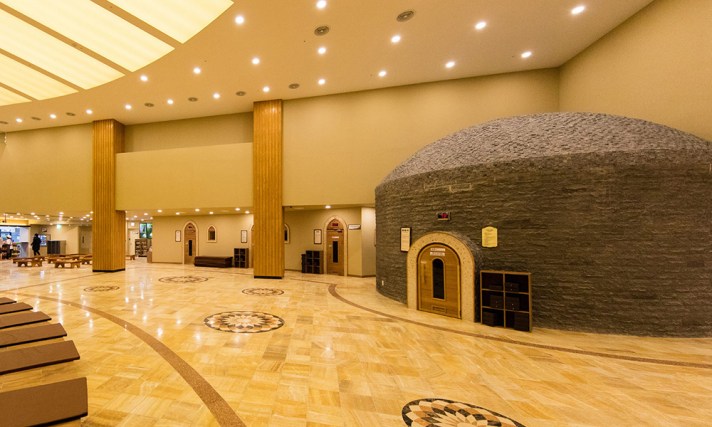
If you’ve ever visited a Korean public bathhouse (mokyoktang, 목욕탕), you may have heard whispers (or screams 😅) about something called “seshin” (세신) — a deep exfoliating body scrub performed by a professional. It’s intense. It’s honest. And it’s incredibly satisfying.
As a Korean who regularly visits local bathhouses, I’d love to share what the experience is really like — and offer you some useful tips if you’re thinking of trying it for the first time.
🌿 What Is “Seshin”?
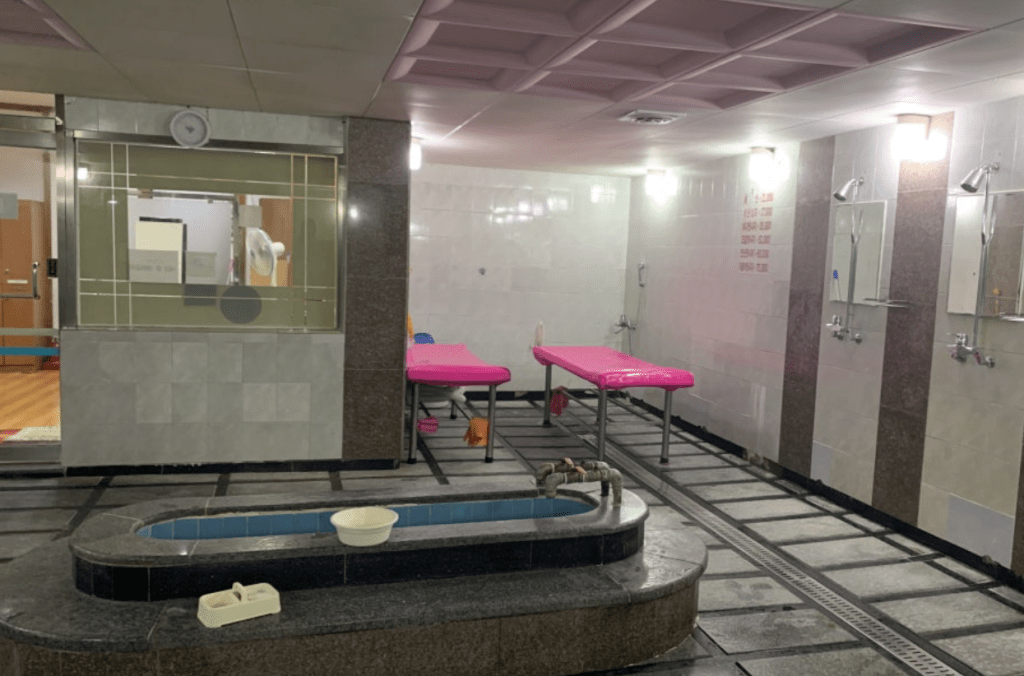
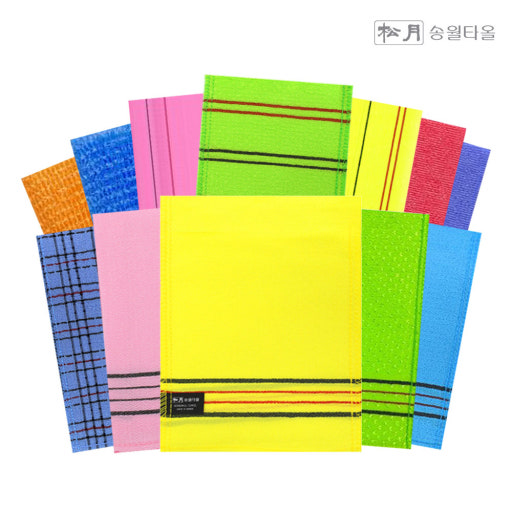
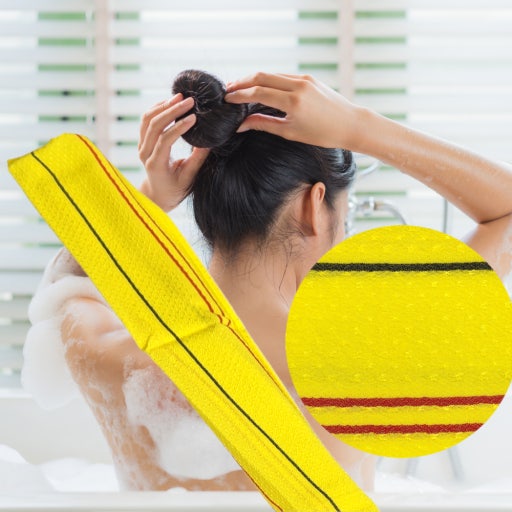
Seshin (세신) is a traditional Korean exfoliation treatment where a professional scrubber (seshin-sa) removes dead skin from your entire body using a special exfoliating towel, typically while you lie on a wet plastic bed in the middle of a steamy bathhouse. It’s rough but deeply cleansing, and many Koreans consider it part of their self-care ritual.
💸 How Payment Usually Works
- Most bathhouses accept cash only, and payment is made before your session.
- You’ll typically pay KRW 25,000–30,000 (about $20–25 USD) for a basic scrub session.
- Massage or extra services cost more.
- Payment systems can vary by bathhouse, but in many places, you’ll hand your locker key to the scrubber as a sign that you’re waiting in line.
🪷 How the Process Works (Step by Step)
Here’s how a typical seshin session works, based on my own local bathhouse experience:
1. Store Your Belongings
After checking in, store your personal items in a locker and keep the key on your wrist.
2. Prepare for the Scrub
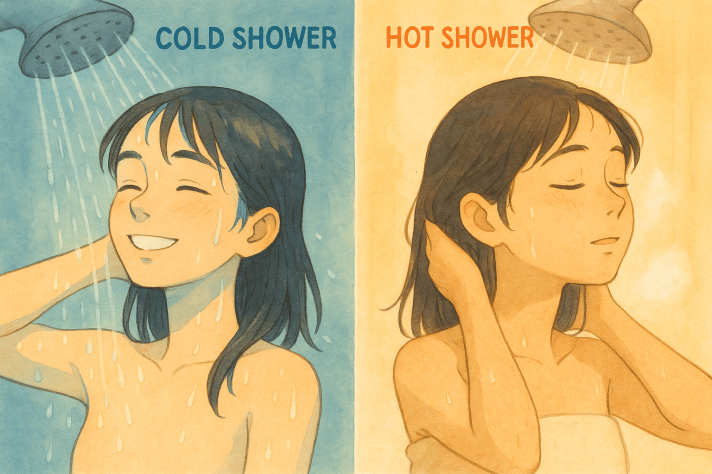
Before getting scrubbed, shower thoroughly with soap to remove any oil, sweat, or lotion from your body.
💡 Pro Tip: This helps the dead skin come off more easily later.
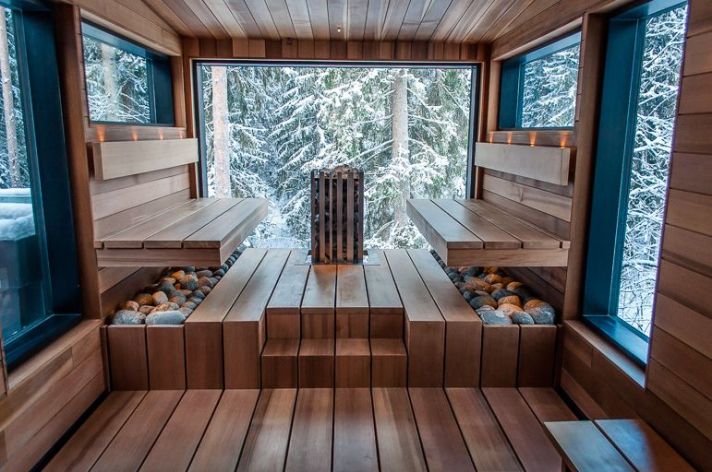
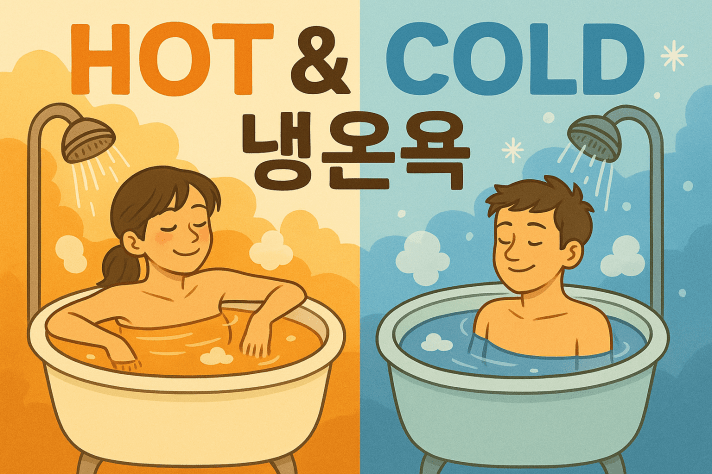
Then, soak in a hot tub or sauna for 20–30 minutes to soften your skin and open the pores. This is an essential step!
3. Wait for Your Turn
- Hand your locker key to a scrubber (usually a middle-aged woman known as imo or ajumma).
- Or leave your key near the plastic scrub beds where others have placed theirs.
- When it’s your turn, they’ll call out your locker number.
4. The Seshin Begins
- You’ll lie on a wet plastic bed.
- The scrubber will start with your front side, scrubbing vigorously.
- Don’t be afraid to say if it’s too strong or too soft — they’ll usually ask you first.
- When they gently tap your arm or leg, it’s a sign to turn to your side, then your back, and so on.
- Just follow their lead — they know what they’re doing.
🧖♀️ Is It Painful?
It can be intense, especially if it’s your first time, but it’s not meant to hurt.
Many people describe the sensation as “relieving” or “like shedding an old layer.”
Afterward, your skin will feel incredibly smooth, almost like it’s been reset.
💬 Final Tips
- Bring cash, especially if you’re not sure what payment method the bathhouse accepts.
- Every bathhouse may have slightly different rules — don’t be afraid to ask!
- Prepare to feel super clean, light, and a little sleepy afterwards. It’s that relaxing.
🌸 Want to Try It?
If you’re visiting Korea and want to experience real Korean-style body care, this is it.
Forget fancy spa menus — this is a raw, real, and refreshingly honest form of wellness.
You’ll walk out feeling like you’ve shed more than just skin.
🧼 Have you tried seshin before? Let me know in the comments, or share your favorite bathhouse experience!
Want to know more about Korean jjimjilbangs or healing rituals? Stay tuned to The Healing Korean for more wellness insights from Seoul and beyond.
 The Healing Korean