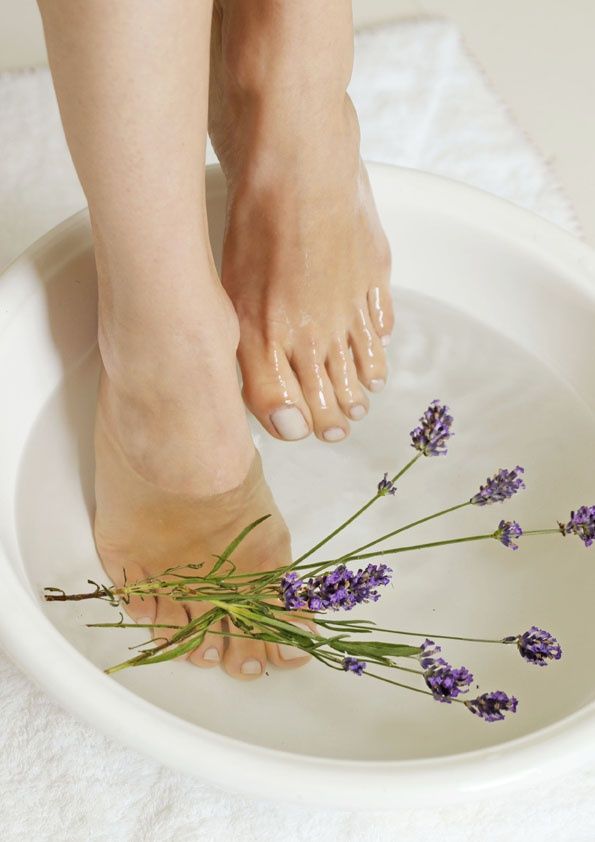
Foot Bath at Home – Easy DIY SPA, Korean Self-Care

Looking for a simple yet powerful way to relax and recharge? A foot bath — or jok-yok (족욕) as we call it in Korea — is one of the easiest self-care rituals you can do at home. This humble practice has been used for centuries in Korean wellness to soothe the body, calm the mind, and promote circulation. Best of all? You only need a basin, warm water, and a few minutes to feel the difference.

🌿 Benefits of a Foot Bath

  • Boosts circulation Warm water helps open blood vessels in your feet and lower legs, improving overall blood flow and warming the entire body.
  • Reduces stress and anxiety Soaking your feet can activate pressure points and nerve endings, signaling your nervous system to relax.
  • Improves sleep quality A warm foot soak before bed helps your body wind down and fall asleep more easily.
  • Eases fatigue and swelling If you’ve been standing or walking all day, a foot bath relieves heaviness, swelling, and tiredness.
  • Detox and skin health Adding salt, herbs, or essential oils may help draw out impurities and soften dry skin.

🛁 How to Do a Foot Bath at Home (Korean Style)

You’ll need:

  • A large basin or foot spa tub
  • Warm water (around 38–42°C / 100–108°F)
  • Optional: Epsom salt, Korean mugwort (ssuk), lavender oil, or fresh ginger slices
  • A towel and cozy socks

Steps:

  1. Fill your basin with warm water up to ankle or calf level.
  2. Add your preferred ingredients (salt, herbs, oils).
  3. Soak your feet for 15–20 minutes.
  4. Breathe deeply, sip some tea, or listen to calm music.
  5. Dry your feet and wear socks to retain warmth.

Tip: In Korea, people often cover their lap with a blanket while soaking for deeper body warming.

⏰ Best Time and Duration

  • Best time: Evening or before bed
  • Duration: 15–20 minutes (Too long may lead to dizziness or dry skin.)

You can do it 2–3 times a week, or even daily during cold seasons.

⚠️ Cautions and Things to Note

  • Do not use overly hot water — it can cause burns or lower blood pressure.
  • Avoid if you have open wounds, skin infections, or certain circulatory disorders.
  • Pregnant women or people with diabetes should consult a doctor first.
  • Stay hydrated during and after the soak.

In Korean culture, we believe that “when your feet are warm, your whole body feels at peace.”

So tonight, give yourself permission to pause.

Fill a bowl, dip your feet, and breathe.

You deserve it. 💛
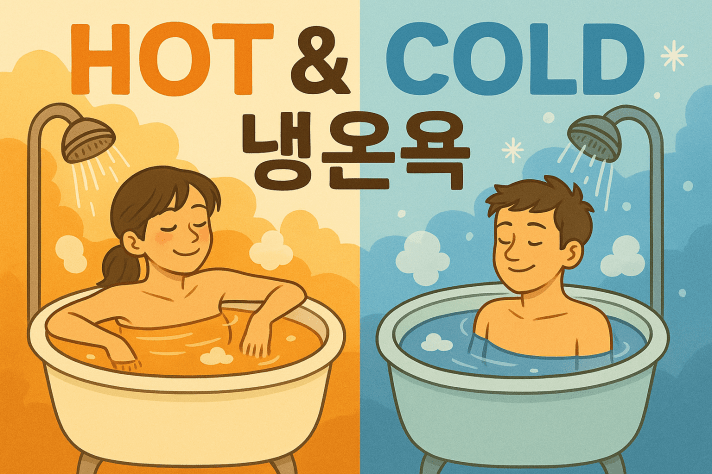
Try Contrast Bathing – A Hidden Ritual of Deep Healing

Once you fall in love with bathhouses, you naturally start exploring different locations and new ways to enjoy them more deeply. One method I always recommend — especially to beginners — is contrast bathing.

Contrast bathing is the practice of alternating between hot and cold water immersion. You soak in a warm tub to open up your blood vessels, then dip into a cold pool to constrict them. Repeating this cycle acts like a natural pump, boosting circulation throughout your body.

Improved circulation can ease fatigue, reduce shoulder stiffness, and most notably — help you feel mentally lighter. During one of the hardest chapters of my life, contrast bathing became an unexpected refuge. My body felt heavy, like a sponge soaked with worry. But after just one session, I walked out feeling lighter, not only physically but emotionally too. That cloud of gloom slowly began to lift, and I found myself becoming a bit more hopeful.

Of course, stepping into a cold bath isn’t easy. It takes courage — and that’s okay. You don’t need to plunge in all at once. At first, just dip your hands or feet. That alone can help cool your body down, and you’ll start to feel subtle changes. Eventually, you might find yourself thinking, “Maybe I’ll try a little more next time.” That curiosity is the start of transformation.

Once you get the hang of it, I recommend this cycle:

  • Warm bath (fully soak and relax)
  • Cold bath (stay just long enough to feel refreshed)
  • Rest (in a lukewarm bath or sitting on a bench)

You’ll start to notice a tingling sensation as your blood vessels expand again during the rest phase — it’s an invigorating, almost addictive feeling. I usually repeat this set two to four times depending on how I feel that day.

⚠️ Important Note

Contrast bathing can be taxing on the body. Avoid it if you have heart conditions, or if your physical condition isn’t optimal that day. Always listen to your body.

If you begin to enjoy this heat-and-cool rhythm, I suggest trying the same cycle using a sauna instead of the hot bath. Wait until sweat rolls down your chin before stepping into the cold plunge. Then take a short rest. No need to follow a strict timer — just go with your natural rhythm.

After all, this is just one of thousands of ways to enjoy a bathhouse. I hope you find your own version — something that brings you comfort, calm, and clarity in a noisy world.