The ultimate guide to soft skin, the Korean way.
If you’ve ever experienced a Korean bathhouse (jjimjilbang), you might already know the secret to baby-soft skin: the Korean scrub towel, also known as a tte-towel (때타월). But there’s a right way to use it — and when done properly, it becomes a deeply satisfying self-care ritual.
Here’s everything you need to know.
🛍️ 1. Choosing the Right Scrub Towel
Not all scrub towels are created equal. Trust me — I’ve tried plenty.
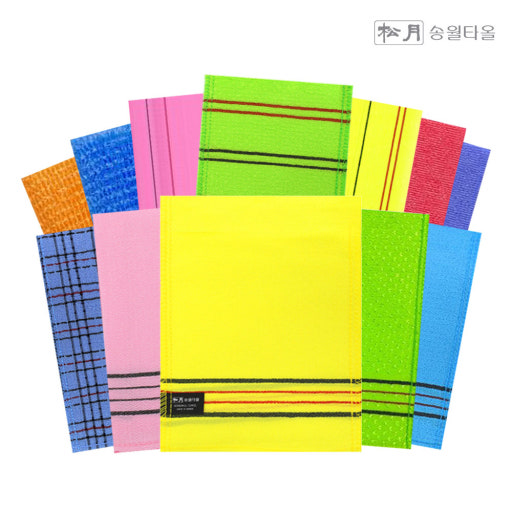
My top recommendation? The scrub towels made by Songwol Towel (송월타월), one of Korea’s most trusted brands. Here’s why:
- They retain their shape better when wet
- The color-coded system helps you choose the right strength (mild to strong)
— I’ll talk about this in detail in a later post - They don’t shrink or twist awkwardly after a few uses
- And most importantly, they’re made with safe, non-toxic dyes
Cheaper scrub towels often come with issues — uneven grit, poor durability, or worse, color dyes that leach into your bathwater. Imagine rubbing your skin with low-quality chemicals. No thanks!
🔍 Tip: Look for scrub towels that are larger than your hand and come from a reliable brand or factory. If you’re unsure, go with Songwol for peace of mind.
🚿 2. How to Scrub the Korean Way
The secret to a good scrub? Preparation. Here’s how to do it right:
🧖♀️ Step 1: Soak First
Soak your body in warm water for 20–30 minutes. It’s not really about temperature — whether hot or lukewarm, what matters is the duration. The longer you soak, the better your dead skin softens and loosens.
💡 Pro Tip: Rub your body with a bit of bath salt and enjoy a steam sauna first — it helps loosen dead skin even more.
🧽 Step 2: Gentle Scrubbing
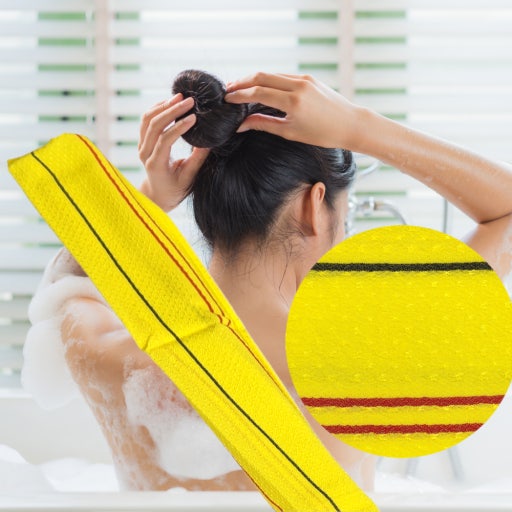
Now, grab your wet Korean scrub towel and start gently rubbing your skin in circular or long strokes. Don’t go hard — you’re not sanding furniture. Just firm enough to feel “refreshing,” not painful.
For extra glide and effectiveness, add a tiny bit of soap (or traditional Korean dde-soap, aka 때비누). Some professional scrubbers even mix in diluted vinegar, which helps soften dead skin, calm irritation, and disinfect the skin. You’ll often see this method in Korean bathhouses.
⚠️ Don’t worry if you don’t see much dead skin — it varies based on your skin’s condition. Over-scrubbing can damage your barrier and dry you out, so think of this as gentle exfoliation, not punishment.
🪶 Remember: Less is more. Light, consistent pressure is all you need.
🤲 3. What About Your Back?
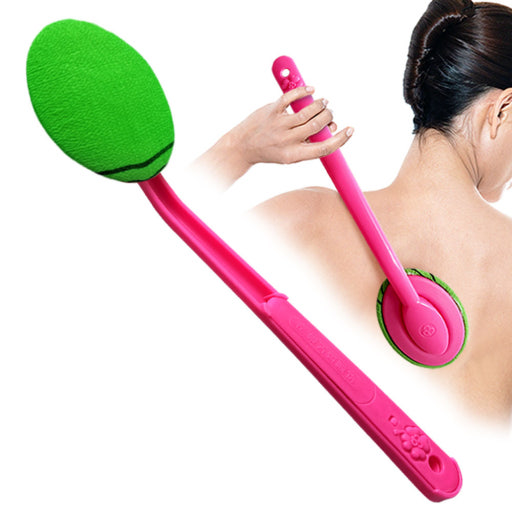
Scrubbing your own back can be a challenge — we’ve all tried and failed. Here’s what helps:
- Use back scrubber tool
- Or, better yet, ask a friend, partner, or visit a professional scrub therapist
It’s a bonding moment if done with someone you trust — and a truly relaxing experience when done right.
✨ 4. Aftercare Is Everything
Once you’ve scrubbed and rinsed off, finish with soapy foam cleansing to wash away loosened skin cells.
Then, the most important step: moisturize. Generously apply your favorite body oil, cream, or lotion while your skin is still damp to lock in moisture and restore the barrier.
Your skin just went through a deep exfoliation — now it deserves some love and hydration.
🇮🇹 It’s Called an “Italy Towel” in Korea, Too
Despite being a staple in Korean bath culture, the Korean scrub towel is often called an “Italy Towel” (이태리타월) — but no, it didn’t actually come from Italy.
The nickname comes from the origin of the fabric. The original exfoliating material was imported from Italy in the 1960s, when Korea was just beginning to industrialize. At the time, the fabric’s unique texture made it ideal for scrubbing dead skin, and people began calling it the “Italy towel” based on where the cloth came from.
Over time, Korean manufacturers started producing it locally, but the name stuck — and now it’s become a quirky piece of cultural history.
So while the towel is proudly Korean in design and tradition, its name carries a hint of European flair.
 The Healing Korean