A Beginner’s Guide to the Korean Spa Experience
If you’ve ever visited Korea or even just browsed Korean culture on YouTube, chances are you’ve heard the word “jjimjilbang” floating around. But what exactly is it?
Let me take you inside one of Korea’s most beloved and unique cultural experiences — the jjimjilbang, or Korean-style public bath and sauna.
🌡️ What Is a Jjimjilbang?
A jjimjilbang (찜질방) is a large, gender-separated bathhouse and sauna complex that offers hot and cold rooms, baths, and relaxation zones. But it’s not just about getting clean — it’s a place where people gather to detox, rest, nap, socialize, and even eat.
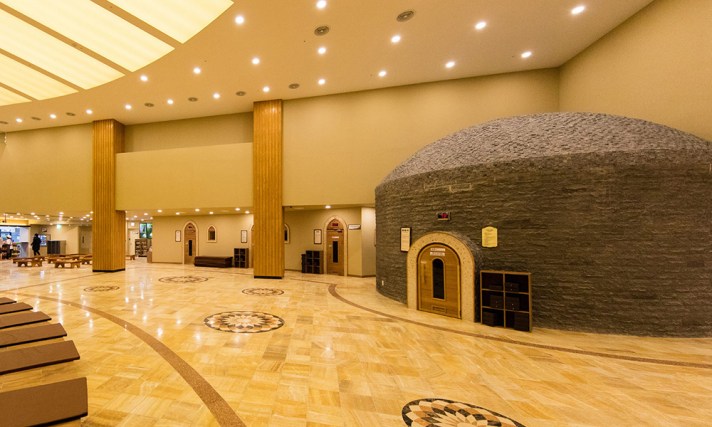
The core experience is all about heat therapy. Imagine stepping into a super-hot clay or stone room, almost like a giant kiln. People sit quietly on the floor, letting their bodies slowly bake in the heat — like pottery in a kiln. Soon, you’ll start sweating like rain, and your entire body feels like it’s melting into relaxation. It’s intense, but strangely addictive.
🧖♂️ How to Use the Hot Rooms (찜질방)
Don’t worry — you don’t have to stay long in the hottest room. Just listen to your body.
- Choose a room that fits your comfort — many jjimjilbangs offer rooms at different temperatures, from mild warmth to intense heat.
- Sit or lie down on a thin mat or towel.
- Stay as long as it feels right. Some people last 5 minutes, others enjoy 15–20.
- When it gets too hot — step out and head straight to the ice room!
❄️ The Ice Room: Cold Therapy
After sweating it all out in the hot room, you’ll want to cool down — and that’s where the ice room comes in. It’s a freezing-cold chamber that instantly refreshes your body and tightens your skin.
The contrast between hot and cold can boost circulation, soothe sore muscles, and leave you feeling deeply rejuvenated.
🧘♀️ Why Do Koreans Love Jjimjilbangs?
Many Koreans say that after a good jjimjil (steam session), their body feels lighter, their mind clearer, and even chronic aches like back or shoulder pain seem to ease.
It’s not just about sweat — it’s about letting go.
Plus, jjimjilbangs are affordable, social, and often open 24/7, making them a favorite hangout spot for students, families, couples, and even solo travelers.
🔥 Electric vs. Traditional Jjimjilbangs
Most big-city jjimjilbangs in Seoul use electric heaters for their hot rooms. These are clean, modern, and convenient.
But if you venture just a little outside the city, you might find traditional jjimjilbangs heated by real firewood — with rooms built from natural clay (황토, hwangto).
These traditional-style jjimjilbangs offer a deeper, more authentic experience, where the heat feels more natural, and the earthy scent of the room adds to the healing vibe.
They’re a bit farther out, but definitely worth a visit — and I can’t wait to introduce you to one of these hidden gems in a future post.
🥚 Bonus: Snacks & Culture
Don’t forget to try the iconic sikhye (sweet rice drink) and boiled eggs baked in the kiln — classic jjimjilbang treats that pair perfectly with a post-sauna rest in a reclining chair or nap zone.
✨ Final Tips for First Timers
- Bring a change of clothes or use the provided cotton set.
- Don’t be shy — jjimjilbangs are very communal, and everyone minds their own business.
- Respect quiet zones.
- Stay hydrated!
- Try alternating hot → cold → rest in cycles — it’s therapeutic.
Korean jjimjilbangs are more than just spas — they’re a healing tradition, a part of everyday life, and a window into Korea’s deep connection with balance and well-being.
If it’s your first time, just relax — and sweat it out.
You’ll walk out feeling lighter, clearer, and maybe a little addicted.
 The Healing Korean